Bifida Ferment Explained: The Fermented Active for a More Resilient-Looking Complexion
- Share
- Issue Time
- Nov 13,2026
Summary
What is bifida ferment, and is it the same as a live culture? This guide explains the lysate, separates cultures from prebiotics and postbiotics, and shows how PROGEN formulates bifida serums for brands.
Quick Answer: What Is Bifida Ferment?
Bifida ferment is a fermented ingredient made by culturing Bifida bacteria and then breaking the cells open — the resulting lysate is what goes into skincare. It is not a live culture, and it is not a single molecule: it is a complex mixture of fermented fragments that skin tends to tolerate well. Brands use it for a smoother, more comfortable, more resilient-looking complexion. PROGEN's Bio-Innovation R&D center formulates bifida systems through OEM/ODM customization.
1. What Is Bifida Ferment?
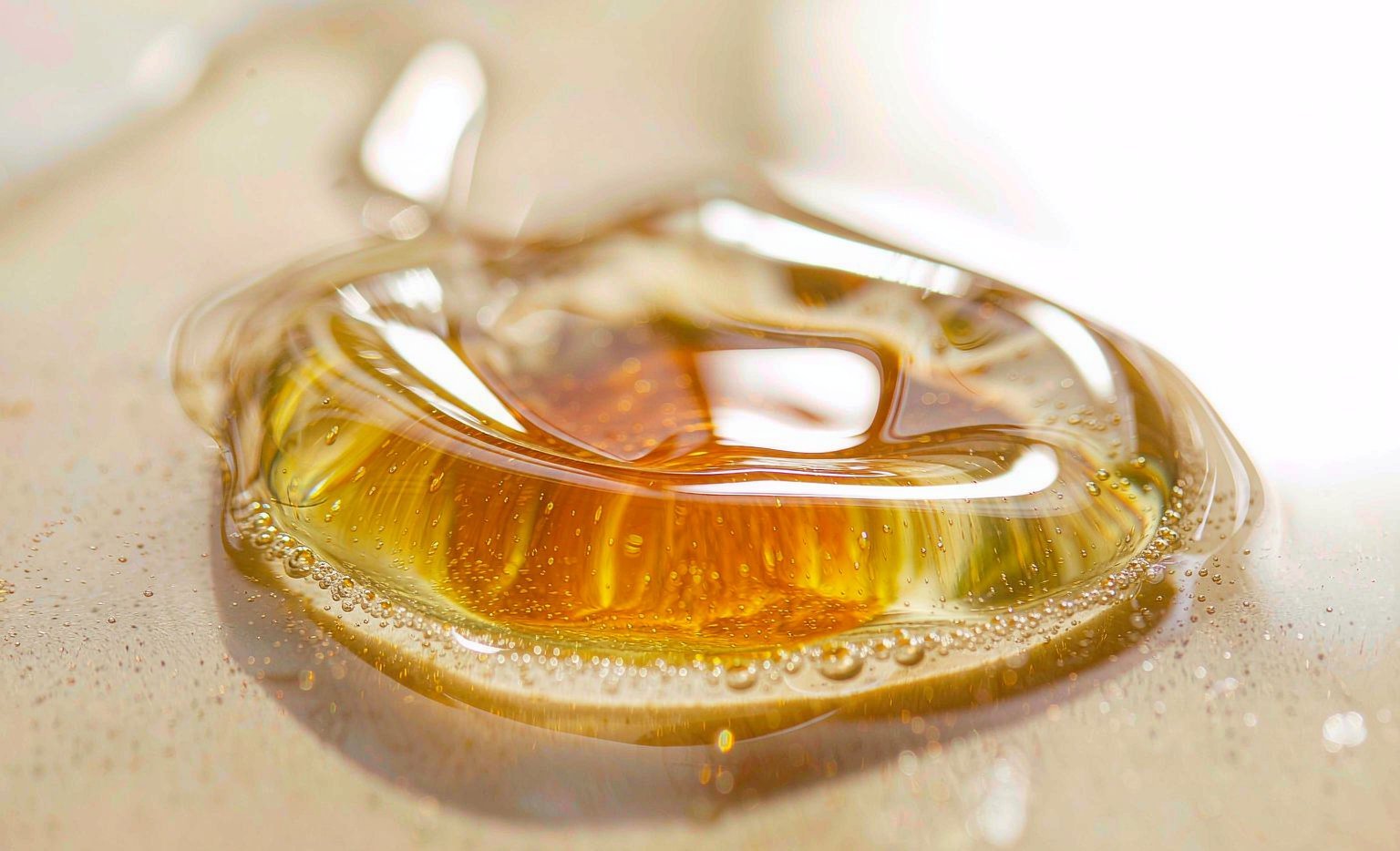
Bifida ferment starts with a culture of Bifida bacteria. The fermentation process breaks down nutrients into smaller, more easily handled compounds, and the cells are then lysed — opened up — so the contents can be used in a formula. What ends up in the bottle is a ferment lysate, a complex mixture rather than a purified single ingredient.
That complexity is the point. A lysate carries fermented fragments, peptides, amino acids, and organic acids together, which is why it behaves more like a "skin-conditioning system" than a targeted active.
2. Fermentation, Explained
Fermentation is a processing step, not a magic property. Its practical effects are straightforward:
- Smaller molecules. Fermentation breaks larger compounds into fragments that spread and absorb more easily.
- Gentler feel. The resulting mixture tends to sit comfortably on skin that reacts easily.
- New metabolites. The culture produces organic acids and other by-products that plain extracts do not contain.
- Texture. Lysates usually bring a light, slightly viscous body that suits essences and serums.
What fermentation does not do is make a product "alive." Once a formula is preserved and bottled, there are no active cultures left — and that is normal.
3. Cultures, Prebiotics, Postbiotics, and Ferments
These four terms get used as if they were interchangeable. They are not.
| Term | What it actually is | In skincare |
|---|---|---|
| Live cultures | Living microorganisms | Rare; preservation makes true live cultures impractical |
| Prebiotics | Compounds that feed microorganisms | Often sugars or fibers used as supporting ingredients |
| Postbiotics | By-products of fermentation | Metabolites used for comfort and conditioning |
| Ferments / lysates | The fermented material itself, cells broken open | Bifida ferment belongs here |
Bifida ferment is a lysate, not a live culture and not a prebiotic. That distinction matters both for what the product can honestly claim and for how it should be stored.
4. What It Supports in the Look of Skin
- Resilience — skin looks less easily thrown off by weather, travel, or a crowded routine.
- Smoothness — a softer-looking surface, especially alongside hydration.
- Comfort — the finish is light and rarely stingy, which suits reactive skin.
- Firmness — a more supported look over time, usually in combination with peptides or Pro-Xylane.
It is a supporting ingredient with a wide comfort margin, not a fast-acting corrector. Expect gradual change over weeks, not a visible shift overnight.
5. Why K-Beauty Built a Category Around It
Fermented ingredients moved into the mainstream through a landmark night serum launched in 1982, and K-beauty turned the idea into a whole shelf: essences, ampoules, creams, and masks built around a single ferment.
The appeal is easy to understand. Ferments offer a "science plus tradition" story that photographs well in marketing, they are generally well tolerated, and they pair with almost anything — which makes them easy to build a line around.
6. How to Use Bifida Ferment in a Routine
- Morning: cleanse, then apply a bifida essence or serum, then moisturizer, and finish with broad-spectrum SPF.
- Evening: cleanser → bifida layer → moisturizer. It layers comfortably under a richer cream.
- Good companions: peptides, hyaluronic acid, niacinamide, beta-glucan, and Pro-Xylane.
- With stronger actives: use it as the comfort layer before or after — it rarely conflicts with vitamin C, acids, or retinoids.
- Give it 8–12 weeks. Ferments are a maintenance story; the first change is usually how skin feels.
7. Formulating with Bifida Ferment — What Brands Ask
- Use level. Inclusion varies widely by supplier; the specification matters more than the percentage on the front of the bottle.
- Lysate vs filtrate. Lysates include cell contents; filtrates are the liquid fraction. They behave differently in texture and story.
- Color and odor. Ferments vary batch to batch; a masking system or a lightly tinted base keeps each batch consistent.
- Stability. Preservation and pH control matter, especially in water-based formats.
- Claims language. "Fermented," "conditioning," and "comforting" are accurate; avoid implying live cultures or health effects.
8. Common Misconceptions
- "It's alive." No — preserved formulas contain no active cultures.
- "More ferment is better." Inclusion levels are supplier-dependent; a higher number does not automatically mean a better formula.
- "It replaces a targeted active." It conditions and supports; it does not do the job of a retinoid or a brightener.
- "It works instantly." Comfort can be quick; visible change takes weeks.
9. PROGEN's Take — OEM/ODM Bifida Ferment Customization
Bifida already anchors two of our serums: the bifida ferment firming serum and the Rejuvenating Time-Freezing Serum, where it sits alongside glutathione and collagen for a tone-and-texture story. Typical OEM/ODM options:
- Formats — essences, ampoules, serums, gel-creams, and creams.
- Ferment selection — lysate or filtrate, matched to texture and positioning.
- Co-actives — peptides, hyaluronic acid, niacinamide, glutathione, Pro-Xylane, and beta-glucan.
- Positioning — fragrance-free, sensitive-skin-friendly, or K-beauty-inspired routines.
See the full facial care series for where the bifida serum sits, then scope your own version through our OEM/ODM service. The Bio-Innovation R&D team handles stability and compatibility work before launch.
Is bifida ferment a live culture?
No. A live culture is a living microorganism; bifida ferment is a lysate — fermented material with the cells broken open. Preserved skincare contains no active cultures.
Can I use bifida ferment with retinol or vitamin C?
Generally yes. It is a conditioning layer that rarely conflicts with other actives, which is why it appears in so many multi-step routines.
Is it good for sensitive skin?
It is usually well tolerated and often chosen for reactive skin, though any new product deserves a patch test. Start with one application a day.
How long until I see a difference?
Comfort and texture are noticed within days; firmness and the look of evenness are usually assessed over 8 to 12 weeks.
Build Your Ferment Line with PROGEN
From light essences to firming serums, PROGEN develops and manufactures bifida ferment formulas under your brand.
Explore OEM/ODM FermentsGMP-certified manufacturing · Essence / Ampoule / Serum / Cream · Lysate or filtrate