Beta-Glucan Explained: The Oat-Derived Hydrator for Calm, Comfortable Skin
- Share
- Issue Time
- Nov 11,2026
Summary
What is beta-glucan, and why is it in so many soothing formulas? This guide explains the polysaccharide, compares oat, yeast, and mushroom sources, shows how it differs from hyaluronic acid, and how PROGEN builds beta-glucan products for brands.
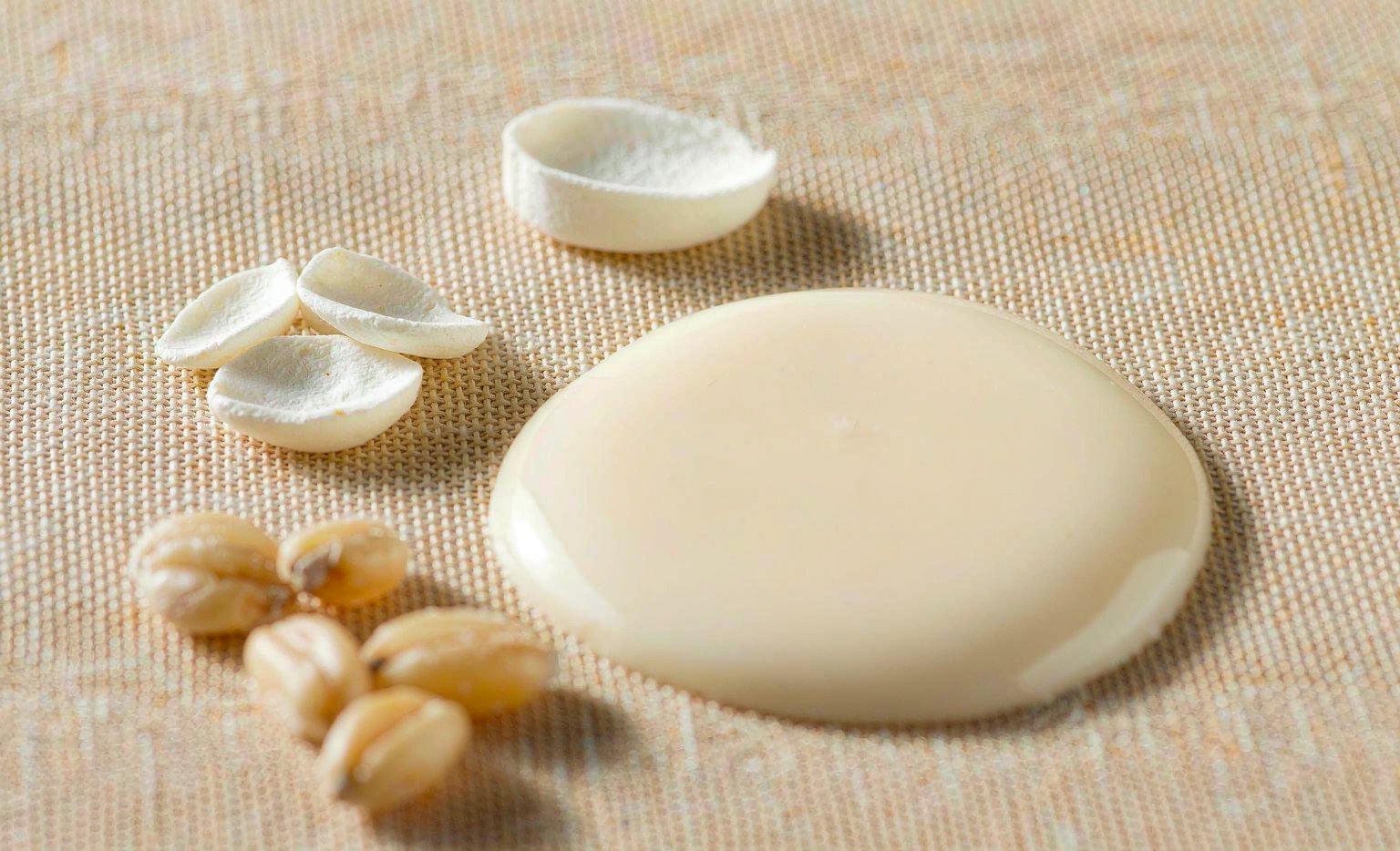
Quick Answer: What Is Beta-Glucan?
Beta-glucan is a polysaccharide — a sugar polymer — found in oats, yeast, and mushrooms, used in skincare for hydration and comfort. It forms a soft, breathable film that helps hold water at the surface, and it is valued for how quietly it behaves: no sting, no adjustment period, and no conflict with most other actives. That makes it a useful supporting ingredient for skin that feels reactive or tight. PROGEN's Bio-Innovation R&D center formulates beta-glucan systems through OEM/ODM customization.
1. What Is Beta-Glucan?
Beta-glucan is a polysaccharide — a chain of sugar units — rather than a single molecule like hyaluronic acid. It occurs naturally in oat kernels, yeast cell walls, and the fruiting bodies of mushrooms. In cosmetics, the source changes the character of the ingredient far more than the name suggests.
Its main job in a formula is hydration with a soft finish. Beta-glucan binds water and forms a light, breathable film on the surface, which is why products built around it feel cushioning without feeling heavy.
2. Where It Comes From — Oat, Yeast, and Mushroom
| Source | Character | Common positioning |
|---|---|---|
| Oat | Gentle, mild, widely tolerated | Sensitive-skin and comfort lines |
| Yeast | Higher purity, more technical story | Barrier and recovery-style products |
| Mushroom | Rich, slightly heavier feel | K-beauty essences and creams |
For most brands, oat-derived beta-glucan is the easiest starting point: the story is familiar, the tolerance profile is good, and the texture suits light lotions and essences. One caveat for shoppers — if you have a known oat allergy, patch-test first, as you would with any oat-derived ingredient.
3. How It Works — Film-Forming Hydration
Beta-glucan works in two simple ways. First, it binds water, so the surface looks plumper and less tight. Second, it forms a light film that slows water loss — not an occlusive seal like petrolatum, but enough to keep the surface comfortable through the day.
That combination is why it shows up in products aimed at skin that feels reactive: the film supports comfort without trapping heat or creating a heavy layer.
The Core Insight: Beta-glucan is not a stronger hyaluronic acid — it is a calmer one. Less slip, less stickiness, and a quieter finish that suits layering.
4. Beta-Glucan vs Hyaluronic Acid — What's the Difference?
| Factor | Beta-Glucan | Hyaluronic Acid |
|---|---|---|
| Type | Polysaccharide (source-dependent) | Humectant polysaccharide |
| Main action | Binds water and forms a light film | Binds water; strong immediate plumping |
| Feel | Soft, cushioning, low slip | Slippery, watery, faster absorption |
| Best for | Reactive, tight, easily uncomfortable skin | Dehydration and visible plumping |
| Layering | Very compatible; rarely conflicts | Can feel tacky in high percentages |
They are complementary rather than competing: hyaluronic acid for immediate water-binding, beta-glucan for a softer, more comfortable finish on top.
5. Why It Pairs With Everything
Beta-glucan's quiet nature is its commercial advantage. It does not fight with vitamin C, retinoids, exfoliating acids, or niacinamide, which makes it easy to add to almost any formula or routine.
- With actives — buffers the feel of stronger ingredients without changing their job.
- With exfoliants — a common comfort layer after an AHA or BHA evening.
- With retinoids — helps the finish feel less tight during the adjustment weeks.
- On its own — works as a standalone hydrator for minimalist routines.
6. What It Supports in the Look of Skin
- Hydration — a plumper, less tight-looking surface.
- Comfort — skin feels calmer and less reactive to the touch.
- Smoothness — a softer-looking surface as water levels hold steady.
- Support for the barrier — a breathable film that helps the surface stay comfortable.
This is not a dramatic active. The visible change is subtle and cumulative — which is exactly what a supporting ingredient should be.
7. How to Use Beta-Glucan in a Routine
- Morning: cleanser → beta-glucan serum or essence → moisturizer → broad-spectrum SPF.
- Evening: cleanser → beta-glucan layer → moisturizer; on reactive days it can replace a stronger serum entirely.
- Weekly: a soothing mask built on beta-glucan and panthenol is a good reset after exfoliation.
- Layering order: water-based hydrators first, creams to seal, SPF last in the morning.
- Give it a few weeks. Comfort is quick; the look of evenness takes longer.
8. Formulating with Beta-Glucan — What Brands Ask
- Use level. Most formulas sit between 0.1% and 1%; the ingredient is effective at low inclusion and rarely needs to be a headline percentage.
- Source and grade. Oat, yeast, and mushroom grades differ in viscosity, color, and story — specify which one the brief calls for.
- Texture. Beta-glucan adds body and a soft finish; in high amounts it can make a serum feel thicker than intended.
- Stability. It is generally robust, but the preservation system and pH still need standard stability work.
- Claims language. "Hydrating," "comforting," and "calming" are accurate; keep the copy on how skin feels and looks.
9. PROGEN's Take — OEM/ODM Beta-Glucan Customization
Beta-glucan fits naturally into soothing formats, and it already belongs in the same family as our panthenol-led comfort products — including the Vitamin B5 Soothing Mask, which pairs panthenol with calming botanicals for reactive-feeling skin. Typical OEM/ODM options:
- Formats — essences, serums, gel-creams, creams, and sheet-mask essences.
- Source selection — oat, yeast, or mushroom beta-glucan, matched to positioning.
- Co-actives — panthenol, hyaluronic acid, centella, ceramides, squalane, and niacinamide.
- Positioning — fragrance-free, sensitive-skin-friendly, or post-exfoliation comfort.
See the full facial care series for where the soothing mask sits, then scope your own version through our OEM/ODM service. The Bio-Innovation R&D team handles texture and stability work before launch.
Is beta-glucan better than hyaluronic acid?
Not better — different. Hyaluronic acid gives stronger immediate water-binding and slip; beta-glucan gives a softer, calmer finish and layers more easily. Many formulas use both.
Can I use beta-glucan with retinol or acids?
Yes, and it is a common pairing. It is generally compatible with retinoids, AHA/BHA, vitamin C, and niacinamide, which is why it appears in so many comfort-focused formulas.
Is oat-derived beta-glucan safe for sensitive skin?
It is usually well tolerated and is often chosen for reactive skin. If you have a known oat allergy, patch-test first — the same caution applies to any oat-derived ingredient.
How long until I notice a difference?
Comfort and hydration are usually noticeable within days. Improvements in the look of evenness and smoothness build over a few weeks of consistent use.
Build Your Comfort Line with PROGEN
From soothing essences to panthenol-rich masks, PROGEN develops and manufactures beta-glucan formulas under your brand.
Explore OEM/ODM SoothingGMP-certified manufacturing · Essence / Serum / Cream / Mask · Oat, yeast, or mushroom grades